
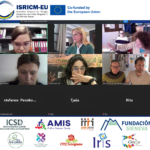
Strong Coordination for Stronger Impact – ISRICM-EU Consortium Meeting
12 January 2026
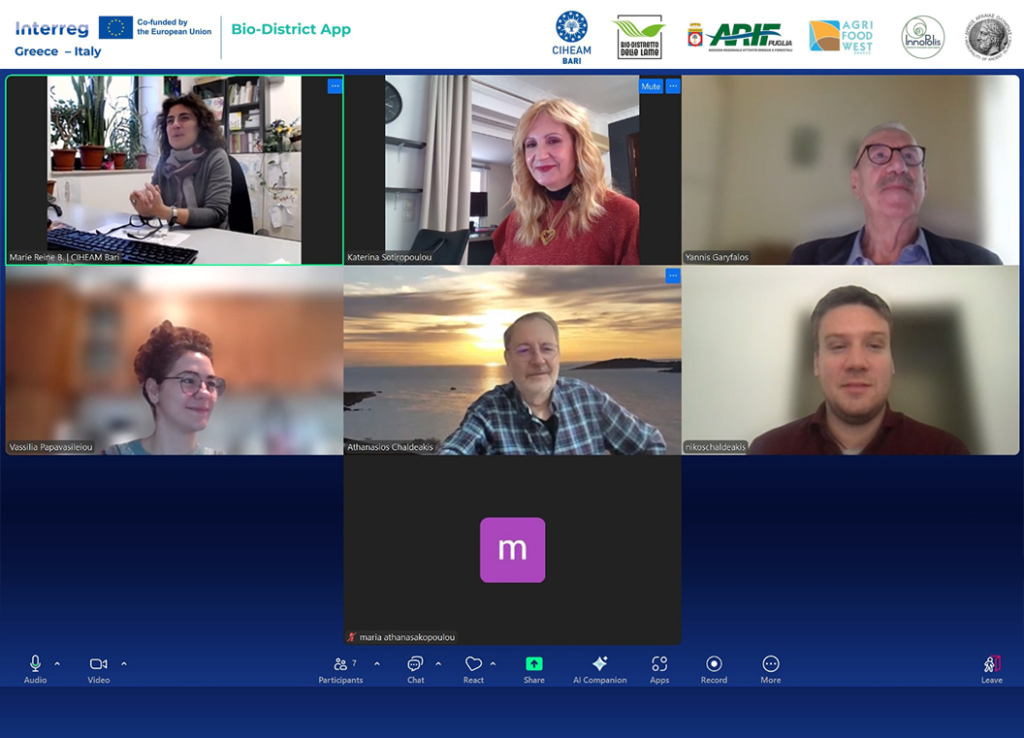
ISRICM-EU Online Coordination Meeting Highlights Strong Progress and Effective Cooperation
26 February 202619/2/2026 – Greek Partners Advance WP 3.2 and Strengthen BIO-DISTRICT APP Cooperation


19/02/2026 | 10:00 (GR time)
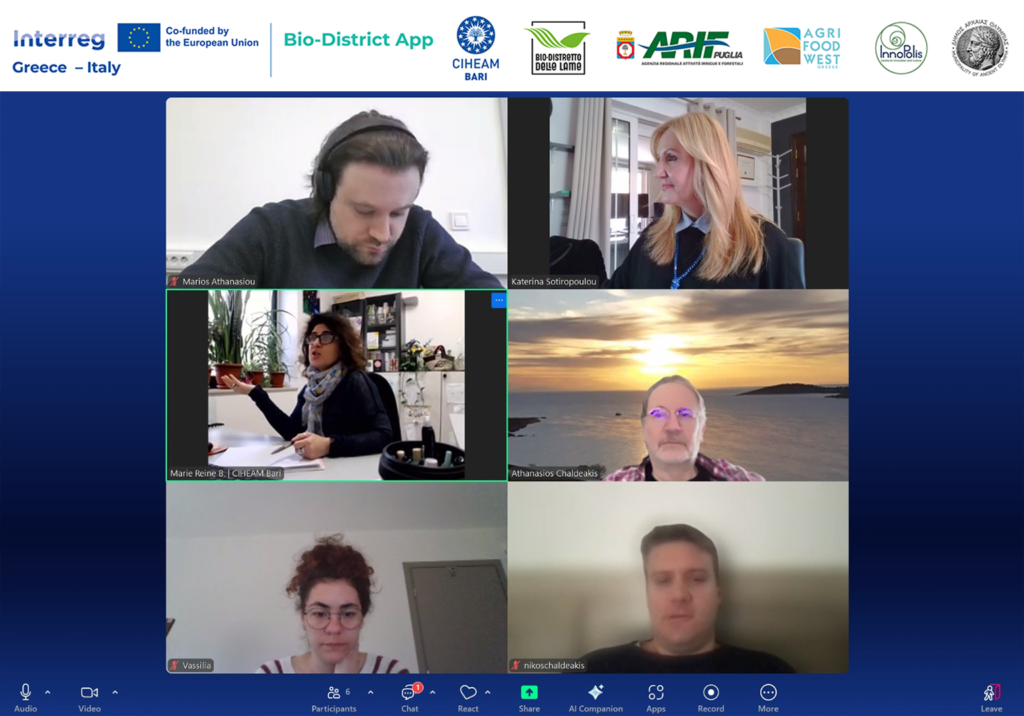
The Greek partners of the BIO-DISTRICT APP project convened for a highly productive online coordination meeting, reaffirming their shared commitment to successfully advancing the project’s objectives and ensuring the effective implementation of upcoming activities.
The meeting focused on aligning the partners’ strategic approach and further strengthening cooperation among the participating organizations. A central point of discussion was the methodology presented by the Municipality of Ancient Olympia for Work Package 3.2 – Mapping of stakeholders facilitating cooperation and knowledge-sharing within bio-districts. The presentation provided a structured overview of the proposed mapping framework, including the identification and categorization of key stakeholders, data collection tools, and mechanisms to foster active engagement and collaboration.
Through constructive dialogue, the partners exchanged valuable feedback, clarified methodological aspects, and agreed on concrete next steps for implementation. Particular emphasis was placed on ensuring that the mapping process will not only capture relevant actors across the bio-district ecosystem but also promote meaningful interaction, knowledge transfer, and long-term cooperation among them.
The meeting brought together representatives from InnoPolis, Agrifood West, and the Municipality of Ancient Olympia, reflecting a strong spirit of collaboration and coordination among the Greek consortium members. The discussion was dynamic and solution-oriented, demonstrating a high level of preparedness and mutual trust.
As the BIO-DISTRICT APP project progresses, the Greek partners continue to work in close synergy, maintaining a steady pace and a clear strategic direction. Their coordinated efforts contribute significantly to the creation of innovative tools and frameworks that support sustainable bio-district development and strengthen local and regional ecosystems.